Before a Christmas trip, a loaded 4WD or ute needs the same five tyre checks as any other vehicle, plus one more. The five basics are tread depth, damage, age, a match to the tyre placard, and cold pressure. The sixth is load: confirm the load rating and set the pressures for what the vehicle will actually be carrying and towing over the break, not its everyday weight. Check every tyre on the vehicle, including the spare.
Plenty of vehicles will roll into the workshop without anyone having had a look. In Allianz Australia’s Summer Risk Report 2026, 42% of the 1,007 Australians surveyed said they don’t check their tyres before a long road trip, and 56% said they don’t do basic vehicle safety checks before long summer journeys. This guide is for tyre shops, 4×4 workshops and fleet buyers managing that pre-holiday rush.
Why a holiday 4WD is a different job
The 4WD heading out on 24 December is rarely the same setup that does the school run. It may be loaded up with a roof rack, drawers, a fridge, water and fuel, and it may be towing a camper or caravan. All of that extra weight rides on the same four tyres. Summer heat puts more stress on them, and some customers will be heading onto gravel, sand or remote tracks where help is a long way off.
The heat gets serious enough that some parks shut for the season. National Parks and Wildlife Service South Australia closes Munga-Thirri – Simpson Desert National Park from 1 December to 15 March each year, and states that the Simpson Desert parks in South Australia and Queensland close over the same period because temperatures can exceed 50°C. Customers planning an outback trip over the break should check park access before they head off.
The pre-holiday tyre checklist
Our used car tyre inspection checklist goes through each check in detail. The table below is the quick version, focusing on what matters most for a loaded touring vehicle.
| Check | What to look for | Touring point |
|---|---|---|
| Tread depth | At least 1.5 mm in all principal grooves. A tyre is unroadworthy once a tread wear indicator touches the road. | A tyre close to the limit on 20 December may be under it by the end of a long trip. |
| Damage | Cuts, cracks, bulges, chipped or torn tread blocks, and objects in the tread. | Look at the sidewalls and shoulders closely after earlier off-road trips. |
| Age | The four-digit date code on the sidewall: week and year of manufacture. | Spares and camper tyres can look new and still be old. |
| Placard match | Size, load index and speed symbol meet or exceed the tyre placard. | Check the load index against the trip weight, not just the size. |
| Pressure | Set cold, to the placard or owner’s manual figure. | Use the loaded or towing figure if the placard gives one. |
| Spare | All of the above. | Confirm it matches the fitted tyres if the vehicle has changed size or construction. |
The tread rule is set out in the Victorian Department of Transport’s Vehicle Standards Information 16: except at the tread wear indicators, tyres must have a minimum tread depth of 1.5 mm in all principal grooves.
Age: read the date code on every tyre
A 4WD spare can sit under the tray for years without ever touching the bitumen. The tread still looks brand new, but the rubber has been ageing the whole time. The same applies to camper trailers that only get dragged out at Christmas. Read the date code on every tyre: the four digits tell you the week and year it was made. Our sidewall guide shows where to look for it.
There is no legal age limit for tyres in Australia. RACV advises getting professional advice on tyres more than five or six years old, even if there is no visible damage. Our guide to how long tyres last explains how age, damage and tread wear work together.
Load: check the tyres against the trip weight
The tyre placard lists a load rating for the tyres specified by the vehicle manufacturer, and Transport for NSW (VSI 09) requires replacement tyres to have a load rating equal to or higher than the original tyres. A holiday trip is when a 4WD is most likely to run close to its maximum weight, so check the load index on all four tyres and the spare before it leaves the workshop.
If the vehicle is now fitted with tyres that differ from the placard, such as light truck (LT) tyres instead of passenger tyres, or a taller size, work from the fitted tyre’s load and pressure data. Our LT all-terrain guide covers what changes with LT construction.
Pressure: set it cold, for the load on board
Set pressures cold, before the vehicle has been driven. Go by the placard or owner’s manual figure for the load being carried. If there is a separate figure for heavier loads or towing, use that for the trip. Western Australia’s Road Safety Commission notes that manufacturers may recommend higher rear tyre pressures when towing, and that the figure is in the vehicle’s handbook.
A camper or caravan has its own tyre specs. Use the trailer manufacturer’s figures, not the tow vehicle’s placard. If the customer plans to air down for sand, remind them to keep speeds down while deflated and reinflate before getting back onto the bitumen. Our 4WD tyre pressure guide covers highway, sand and towing pressures, including a kPa to psi conversion table.
The spare
On a touring 4WD, the spare needs its own proper check. Inspect its age, tread, damage and pressure. Then make sure it still matches the vehicle: if the customer has gone up a size or switched to LT construction, an old factory spare may no longer match the size, construction or load rating of the tyres currently fitted. If it doesn’t, quote a replacement to suit them.
Quoting replacements before the break
When a tyre fails inspection, quote a replacement that matches the placard size and meets or exceeds its load index and speed symbol. For a loaded touring 4WD, that often means looking at all-terrain or rugged-terrain patterns. HILO’s 4WD patterns are:
- X-TERRAIN XT1: all-terrain, passenger construction.
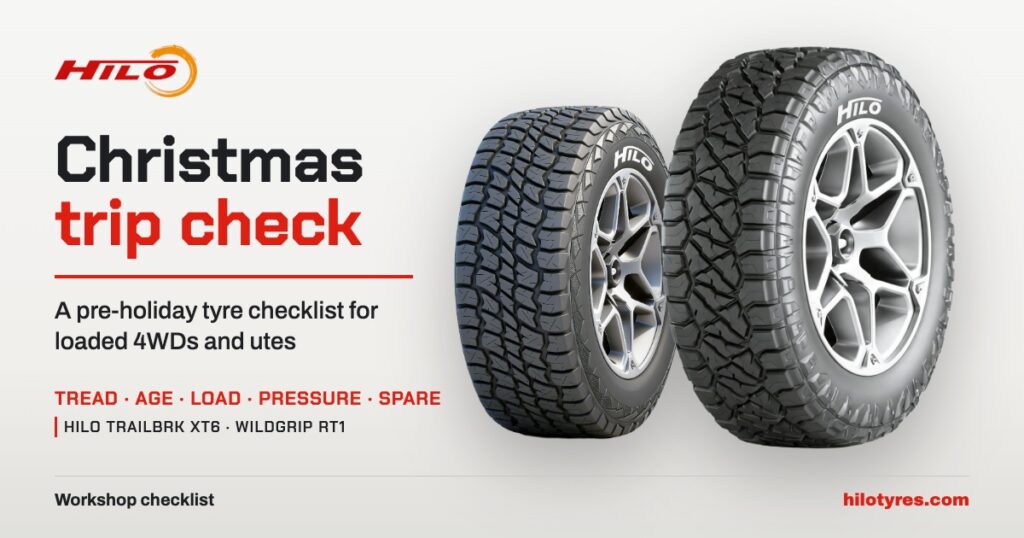
- TRAILBRK XT6: all-terrain, light truck construction.
- WILDGRIP RT1: rugged-terrain.
- X-TERRAIN MT1: mud-terrain.
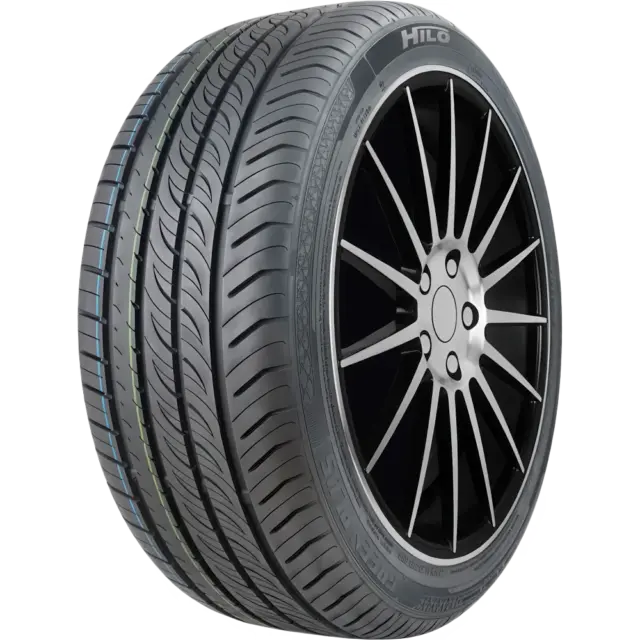
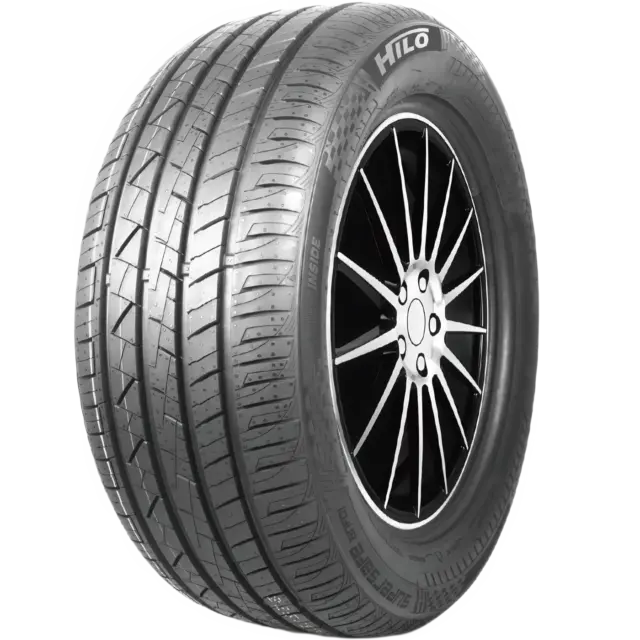
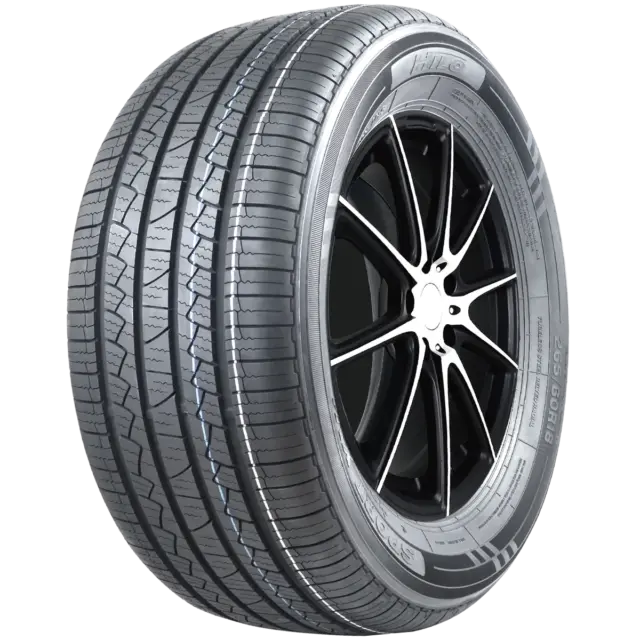
- SPORT XV1: highway-terrain, for vehicles that stay on sealed roads.
Our all-terrain tyre guide explains how to pick between them. Get orders in early and confirm supply and delivery dates ahead of the holiday period. Send the pattern, size, load index and speed symbol through our trade enquiry form.
Frequently asked questions
What tyre checks should be done before a long road trip?
Check every tyre, including the spare, for tread depth (at least 1.5 mm in the principal grooves), cuts, cracks and bulges, age from the date code, a match to the tyre placard, and cold pressure. For a loaded or towing 4WD, also verify the load index and use the placard’s loaded or towing pressure.
What is the minimum legal tread depth in Australia?
1.5 mm in all principal grooves, except at the tread wear indicators. Once a wear indicator touches the road, the tyre is unroadworthy.
How old is too old for a 4WD tyre?
There is no legal age limit in Australia. RACV advises getting professional advice for tyres more than five or six years old, even if they look fine. Pay close attention to spares and camper tyres, as they often age without wearing down.
Should tyre pressure be higher when a 4WD is loaded or towing?
If the placard or owner’s manual gives a figure for heavier loads or towing, use it. Manufacturers may recommend higher rear pressures when towing. If no figure is given, or the vehicle runs tyres that differ from the placard, check with the vehicle or tyre manufacturer rather than guessing.
Does the spare need checking too?
Yes. Check its age, tread, damage and pressure, and confirm it still matches the fitted tyres if the vehicle has changed size or construction.